Between tenancies
Treat the mould while the property is empty
A void is the one window when nobody is living with the work. We survey, treat and document the property so the next tenant moves into a dry home and your check-in file starts with clean evidence.
- Work planned around your re-let date
- Dated photographs for the check-in file
- Fixed written quote, remediation from £550
Why the void matters
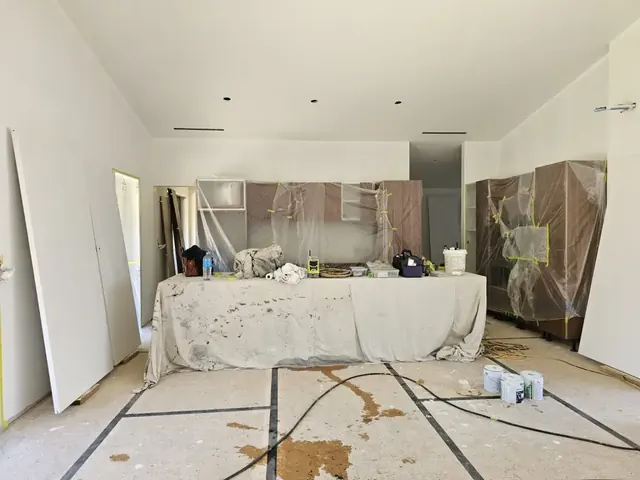
The best time to deal with mould is when nobody lives there
Treating an occupied home means moving furniture, sealing off a bedroom someone needs tonight and asking a family to tolerate equipment noise. A void removes all of that.
Clear rooms
No beds against cold walls, no wardrobes hiding growth. We see every affected surface and can contain the work area properly from the start.
Nobody disrupted
There is no tenant to rehouse for the day, no access to negotiate and no complaint about dust or noise. The work runs to our plan and your timetable.
Quicker drying
With no cooking, showers or drying laundry adding moisture, dehumidifiers bring walls down faster. Paint goes onto a properly dry surface, which is what makes it last.
Check-out and check-in
A clean record between one tenancy and the next
The outgoing inventory shows mould. The incoming one should show a treated, dry room. Our report fills the gap between the two, so anyone reading the file later can see what was there, what caused it and what was done about it.
That matters if the outgoing tenant disputes a deduction, if the new tenant reports damp in February, or if a council officer asks how the landlord responded. One dated document answers all three.
What the void report adds to your file
- Condition on arrivalDated photographs of every affected area before work starts.
- Readings and causeMoisture measurements and our view on where the damp is coming from.
- Condition on handoverFinished photographs taken before the keys go back.
- Advice for the new tenantRecommendations you can pass on at check-in.
Tenant moving out soon? Book the survey before the keys come back and the work can start straight away.
Request a surveyTurnaround planning
Fitted around the agent's diary, not the other way round
Voids cost money every day they sit empty, and they usually involve several trades. We slot into that sequence rather than holding it up.
- Survey before vacancy where possibleIf the outgoing tenant agrees, we inspect during the notice period. You get a quote early and can line up any building repairs at the same time.
- Agreed order of tradesWe tell you what must happen before us (leak repairs, a new extractor) and what should wait until after (carpets, final clean).
- Keys by arrangementWe can collect keys from your office or a key safe by arrangement, and confirm the return in writing.
- Updates to one contactThe landlord, the agent or both, as you prefer. Same-day and next-day appointments are often available when a void comes up unexpectedly.
Our method
Eight stages, every time
The same method on a studio flat or a commercial unit, so results are consistent and reports are comparable across your whole portfolio.
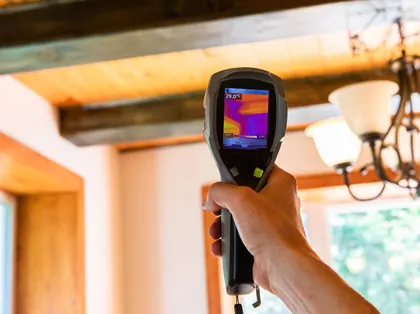
Inspection and moisture assessment
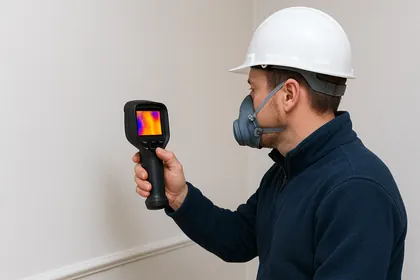
We find where the moisture comes from, how far the growth has spread and what has to change.
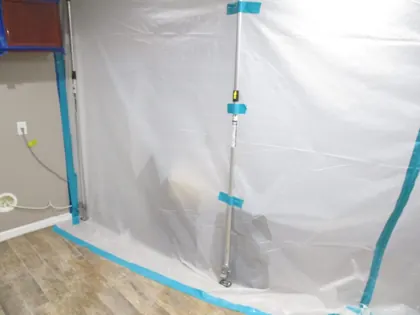
Area containment
The work area is sealed off so spores are not carried into rooms that are clean.
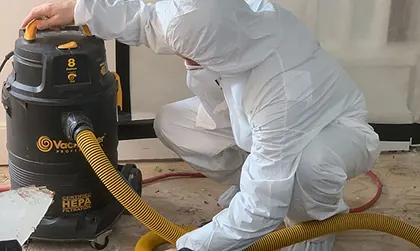
HEPA vacuuming
Loose spores and debris are captured with HEPA-filtered equipment before any surface work starts.
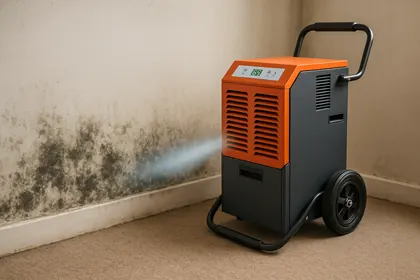
Dehumidification
Damp surfaces are dried out so the treatment can take hold properly.
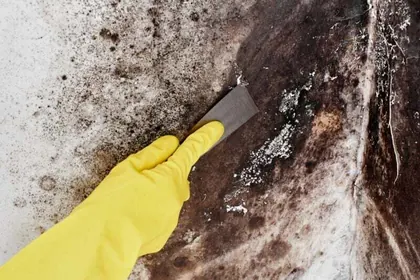
Physical mould removal
Affected sealant, coatings and damaged material are taken out, not painted over.
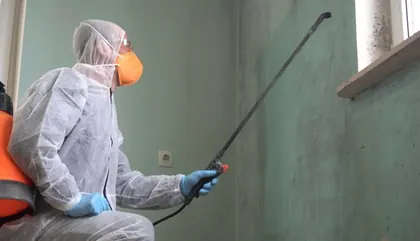
Antimicrobial treatment
A non-bleach antimicrobial is applied to treated surfaces and the area around them.
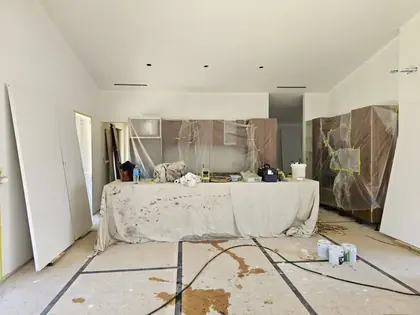
Three-coat paint system
Treated surfaces are sealed and finished with a three-coat, mould-resistant system.
Final check and documentation
We review the finished work and issue the written report with photographs and readings.
Need it done before a deadline? Tell us when the report came in and we will plan around it.
Request a surveyResults
Before and after, from real jobs
Photographs from Wblam jobs in London homes, flats and lofts. The same kind of images goes into the report you receive.
Void questions
Before you book a void treatment
How long does void treatment take?
It depends on the size of the affected area and how wet the walls are when we arrive. The survey tells us both, and the written quote sets out the expected time on site. Because nobody is living there, drying equipment can run without interruption, which usually shortens the job compared with an occupied home.
Do you need the utilities on?
Yes, we need electricity for dehumidifiers, HEPA equipment and lighting. Water is helpful but not always essential. If the supply has been switched off between tenancies, let us know when you book so we can plan the visit around reconnection.
Can you collect the keys?
We can collect keys from your office or a key safe by arrangement. Tell us what suits you when you book, and we will confirm the handover and return in writing so there is no confusion about who holds them.
Will the report help with a deposit dispute?
It can support your records. The report shows the condition we found, the moisture readings, the likely cause and what we did, all with dates. Whether mould counts as tenant damage depends on the cause, and the report gives you the facts for that conversation rather than a judgement on it.
What if the cause needs a builder or a plumber?
We tell you in writing. If the mould comes from a leak, a failed extractor or a cold bridge, the report says so and recommends the fix. The written guarantee on treated areas applies once those recommended fixes have been completed.
Related services
Request a survey
Tell us about the property
Give us the postcode and the best way to reach you. We will call back to agree a time and confirm who needs to be on site.
- Call07488 848 594
- WhatsAppSend photos on WhatsApp
- Emailcontact@wblam.co.uk